

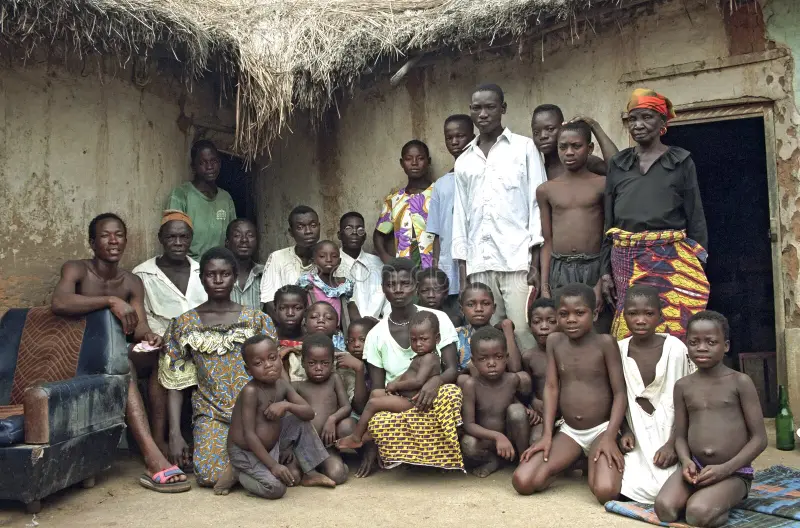
State Minister for Finance, Planning and Economic Development Amos Lugoloobi has urged Ugandans to reconsider high fertility rates, warning that the country’s fast-growing population is straining government planning and development efforts.
Uganda, which has one of the youngest populations in the world, has about 44 percent of its citizens below the age of 14.
The national population is estimated at between 47 million people as of 2026, with a growth rate of about 2.9 percent.
Speaking to journalists after appearing before Parliament’s Appointments Committee, Lugoloobi said that despite progress in several sectors, Uganda still ranks 149 out of 189 countries on the Human Development Index, based on 2020 figures.
“We are working under the National Development Plan IV to enable Uganda to acquire middle-income status, but as a country we are facing bottlenecks of high population growth rates,” he said.
He warned that rapid population increase was making long-term planning difficult for government.
“We are having challenges of high population growth rates which limit us from planning as a result of fertility rates from women and couples producing faaa without any planning, causing a burden to government,” Lugoloobi said.
The minister further appealed to men to take responsibility in family planning, saying uncontrolled pregnancies were contributing to an unsustainable population structure.
“I am urging my male counterparts to plan for the pregnancies they are contributing to so that we have a manageable population that is not made up of dependants and a burden to the country,” he said.
His remarks come amid continued debate on Uganda’s demographic pressures, with policymakers increasingly linking population growth to service delivery challenges, education demands, and economic planning constraints.
